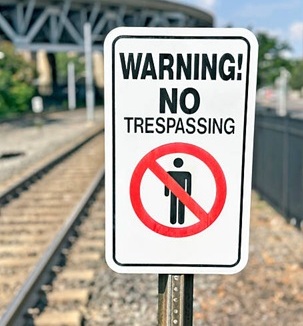
Have you ever traveled to an English-speaking country?
Did you see signpost English you didn’t understand?
Maybe it was on a sign at an amusement park or museum. Maybe it was in a park or at a beach. Luckily most signposts now also have symbols (at least at airports and main tourist areas), so you can usually understand them, even if you don’t understand the language.
But sometimes they don’t, and if you don’t understand the signpost language, you may get in trouble, even serious trouble. So, if you’re travelling to an English-speaking country, it’s a good idea to know some key signpost language. This will help keep you safe and out of trouble.
In this post let’s start with five key signpost words.
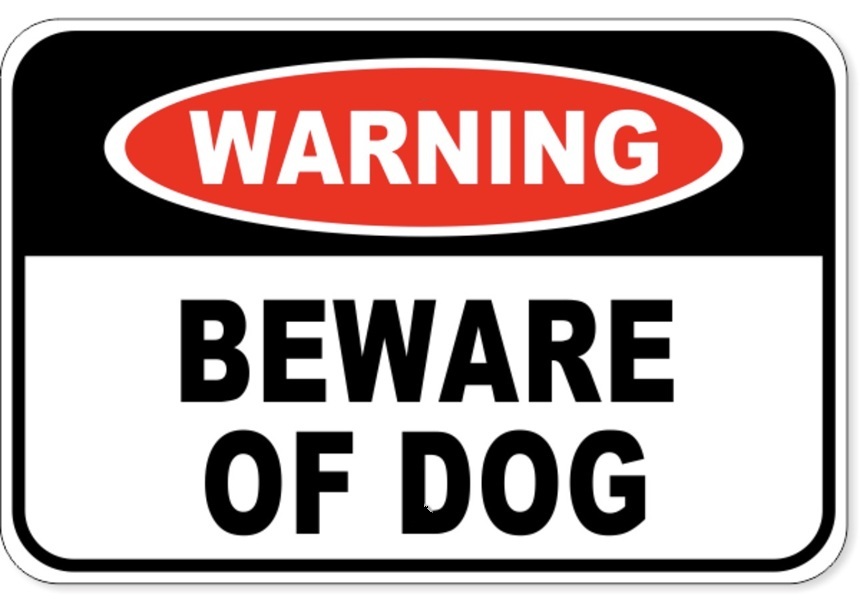
Beware (verb)
A warning that something is dangerous and you should be careful. In other words, something you need to know about for your own safety. It is often used on outdoor street and gate signs. It is usually used followed by ‘of’ and a noun. For example, the sign might say ‘BEWARE OF FALLING ROCKS’ or ‘BEWARE OF BEARS’.
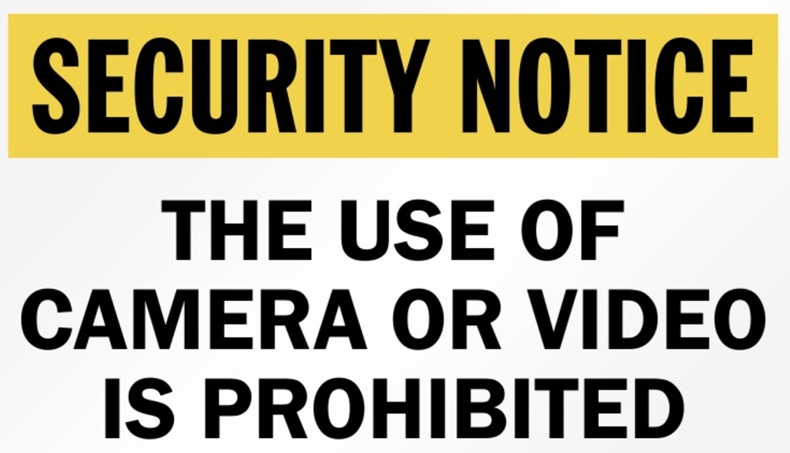
Prohibited (adjective)
Something that is not allowed, so you must not do it. It comes from the verb ‘prohibit’ and is used because there is some kind of strict rule that must be followed. For example, the sign might say ‘SMOKING PROHIBITED IN TOILETS’ or ‘FISHING PROHIBITED IN THIS AREA’.
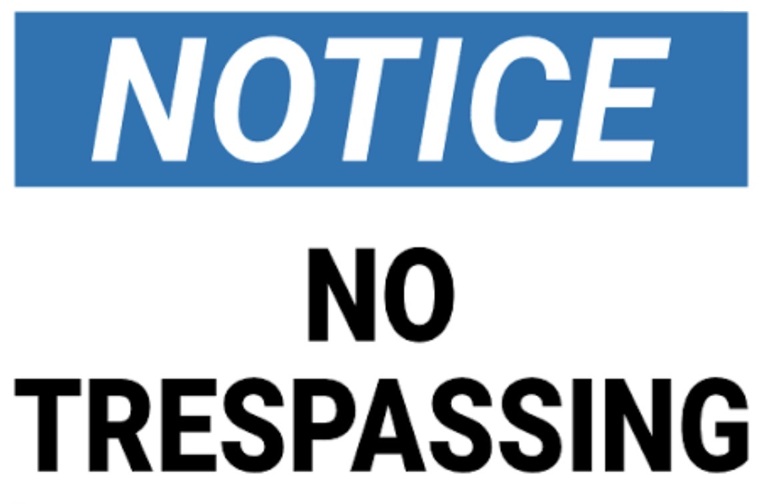
Trespass (verb)
It’s good to know this verb, especially if you’re traveling away from the main tourist areas. It means to enter land or a building that you do not have the right or permission to enter. In other words, a place you cannot go into. In most cases, if you trespass, you are breaking the law and the owner may call the police. For example, the sign might say ‘PRIVATE PROPERTY: NO TRESPASSING’ or ‘MILITARY BASE: TRESPASSING PROHIBITED’.
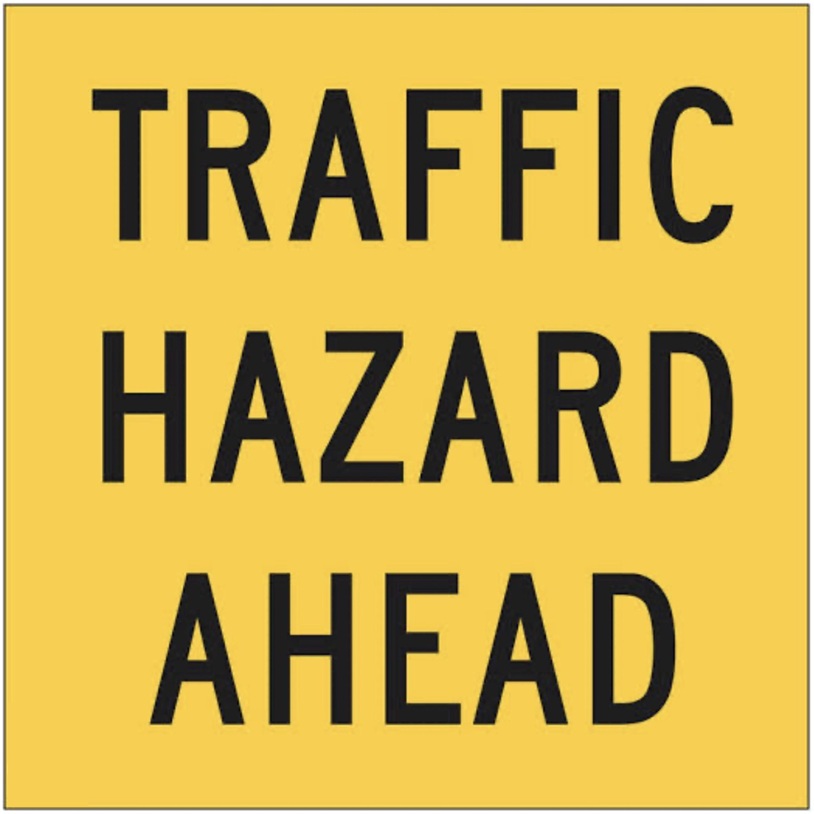
Hazard (noun)
This one’s important, especially if you’re renting a car or boating. It means something that can be dangerous or cause damage. It’s often used for things that may be dangerous on a path or road ahead, for example, a car’s ‘hazard lights’ or a sign saying ‘ROAD HAZARDS AHEAD’ (eg. fallen trees or rocks). It’s also often used as the adjective ‘hazardous’ and to describe things that are dangerous, for example ‘HAZADOUS CHEMICALS’.
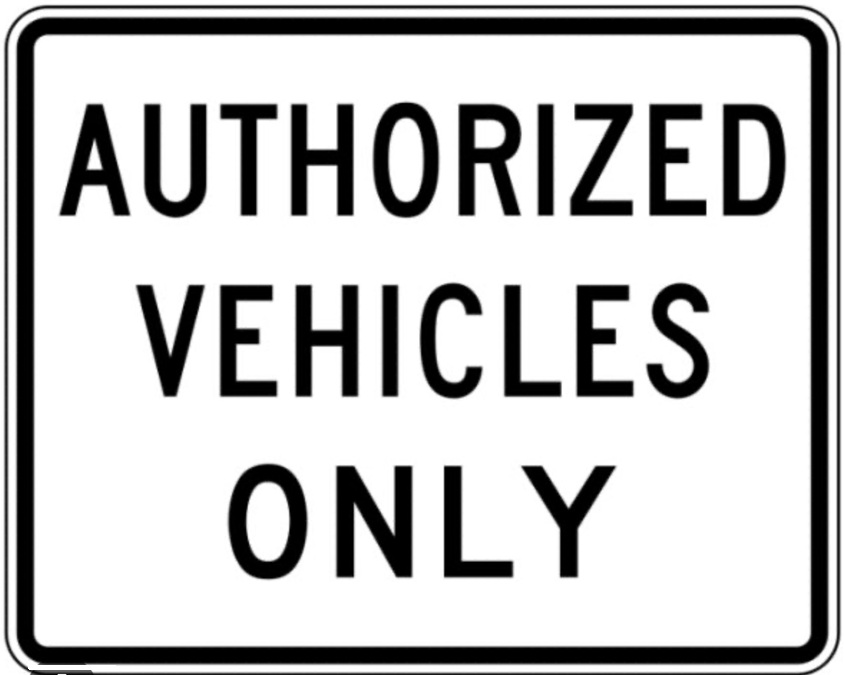
Authorized (adjective)
The official permission to do something or have something. In other words, something that you’re allowed to do or have. So, if you are not ‘authorized’ and you do it, you may get into trouble. It’s often used with the adverb ‘only’, for example (for car parking), ‘PARKING FOR AUTHORIZED VEHICLES ONLY’ or (at company buildings) ‘AUTHORIZED PERSONNEL ONLY’.
Have you ever been in trouble in another country? What happened? Were there signposts that could have have helped you?
 |
Extra tip! For the strongest warnings, the verb ‘prosecute’ (verb) may be used. ‘Prosecute’ means to officially charge someone in court with a crime. In other words, to take legal action. So, you need to be extra careful with this one. Here are some example signs: ‘NO ENTRY: TRESPASSERS WILL BE PROSECUTED’ or (at an airport immigration) ‘FALSE DECLARATION MAY RESULT IN PROSECUTION’. You really do not want to be ‘prosecuted’ in another country ☹ |
Related posts


